


As parents, we all want our children to develop the skills they need to navigate life’s challenges with confidence and resilience. One powerful way to teach children self-coping techniques is through modeling. By demonstrating healthy coping behaviors in our own lives, we can effectively show our children how to manage their emotions and stress in a positive way. Here are some practical strategies for using self-coping techniques and modeling them for your children.
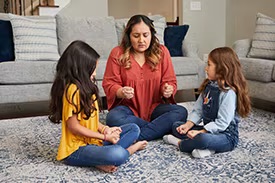
1. Practice Mindfulness: Mindfulness is the practice of being fully present in the moment and acknowledging our thoughts and feelings without judgment. You can model mindfulness for your children by including them in your own mindfulness practices. For example, you can engage in mindful breathing exercises together or take a few moments to notice and appreciate the beauty of nature during a family walk.
2. Express Emotions: It’s important for children to learn that all emotions are valid and that it’s okay to express them in healthy ways. When you’re feeling stressed or upset, verbalize your emotions in front of your children and demonstrate how you cope with them. For instance, you might say, “I’m feeling frustrated right now, so I’m going to take a few deep breaths to calm down.”
3. Utilize Positive Self-Talk: Model positive self-talk by demonstrating how you reframe negative thoughts into more positive and constructive ones. When facing a challenge, share your thought process with your children. For example, you might say, “I’m feeling nervous about this presentation, but I know I’ve prepared well, and I’m going to do my best.”
4. Take Breaks: Teach children the importance of taking breaks when they feel overwhelmed. Show them that it’s okay to step away from a situation to regain composure. You can model this behavior by openly taking breaks when you need them, whether it’s stepping outside for a breath of fresh air or engaging in a calming activity like reading or listening to music.
5. Seek Support: Demonstrating the importance of seeking support from others is a valuable lesson for children. Let your children see you reaching out to friends, family, or professionals for help when you need it. By doing so, you show them that it’s okay to ask for assistance and that doing so is a sign of strength, not weakness.

By modeling these self-coping techniques in your own life, you can effectively teach your children how to manage their emotions and stress in healthy ways. Remember that children learn best by example, so be mindful of the behaviors you exhibit in front of them. By incorporating these strategies into your daily routine, you can empower your children to develop essential coping skills that will serve them well throughout their lives.

 Mommy Mentor